
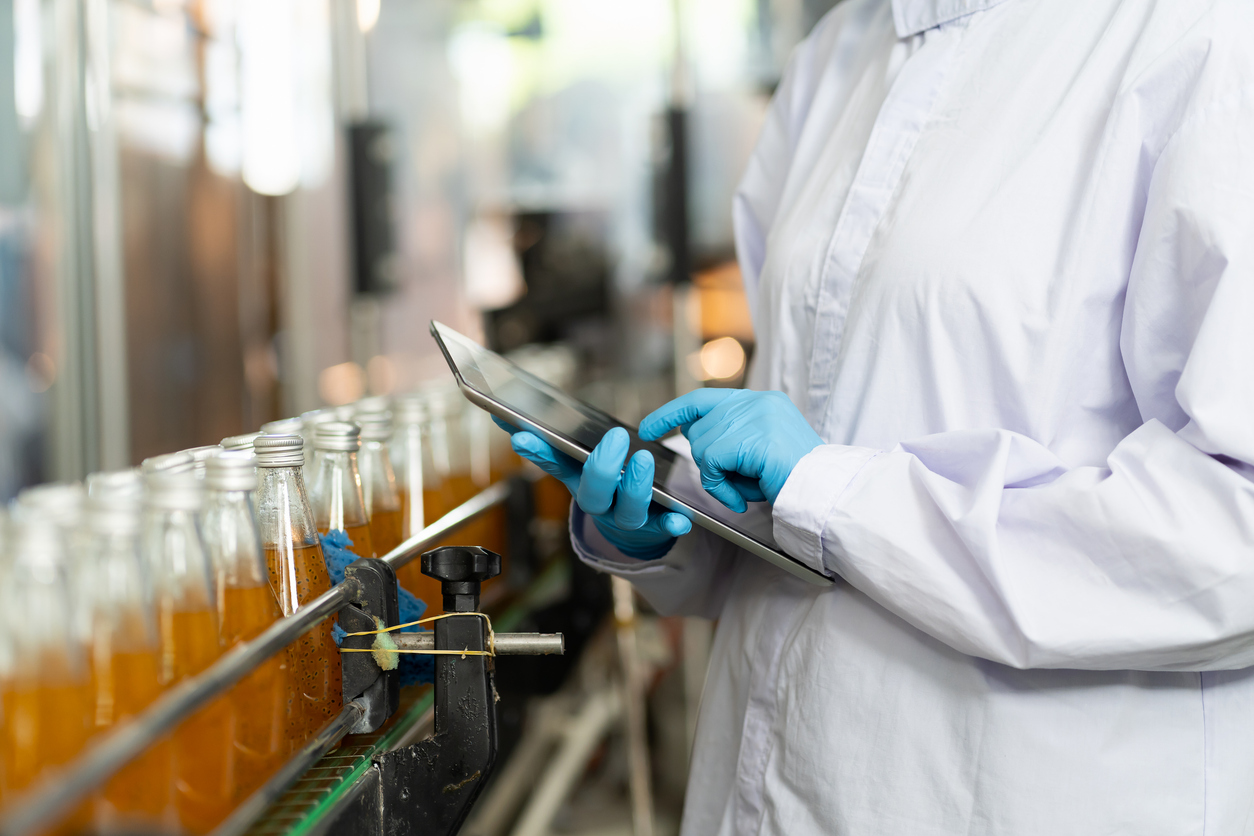
The food processing industry plays a vital role in our daily lives, providing us with a wide array of food products that are convenient, safe, and delicious. Behind the scenes, however, a complex network of processes and equipment is required to transform raw ingredients into the food items we find on our plates.
One essential piece of equipment in this industry is the oven, which plays a critical role in enhancing efficiency and ensuring product quality.
In this blog post, we will explore the multifaceted role of ovens in the food processing industry. We will discuss the various types of ovens used, their applications, and the benefits they bring to the table in terms of efficiency and product quality.
Types of Ovens
Before diving into their applications and benefits, it’s important to understand that ovens come in various types, each designed for specific purposes in the food processing industry. Some of the common types of ovens used in food processing include:
Convection Ovens: These ovens use fans to circulate hot air, ensuring even cooking or baking. They are commonly used for baking bread, pastries, and other baked goods.
Drying Ovens: Drying ovens remove moisture from food products, extending their shelf life. They are crucial for the production of items like dried fruits, jerky, and powdered ingredients.
Dehydrators: Similar to drying ovens, dehydrators remove moisture, but they are often used for specific products like dried herbs and spices.
Rotary Ovens: These ovens have rotating shelves or drums that continuously move the product, making them ideal for large-scale baking, such as for biscuits or crackers.
Tunnel Ovens: Tunnel ovens are used for high-volume production, often found in the manufacturing of snacks, pizza, and various baked goods.
Applications of Ovens in Food Processing
Ovens serve diverse roles in food processing, making them indispensable in the industry. Here are some key applications:
Baking: Baking is one of the most common applications of ovens. Whether it’s bread, pastries, cookies, or pizza, convection ovens, rotary ovens, and tunnel ovens play a crucial role in ensuring consistent and efficient baking processes.
Drying and Dehydration: Drying ovens and dehydrators are essential for removing moisture from fruits, vegetables, and herbs. This process not only extends the shelf life of these products but also enhances their flavour and texture.
Sterilisation and Pasteurisation: ovens are used to sterilise and pasteurise food products to kill harmful microorganisms. This is particularly important for canned foods, ready-to-eat meals, and various food items that need to be stored for extended periods.
Roasting: Roasting ovens are used to roast coffee beans, nuts, and other products. The controlled heat and airflow provided by these ovens ensure that the desired flavours and aromas are developed during the roasting process.
Curing and Smoking: For meat and fish processing, ovens are used for curing and smoking. These ovens help develop the unique flavours and textures associated with cured and smoked products like ham, bacon and smoked salmon.
Benefits of Ovens in Food Processing
Now that we’ve explored the various applications of ovens in the food processing industry, let’s delve into the specific benefits they offer:
Consistency and Precision: Ovens are designed to maintain precise temperature and humidity levels, ensuring consistent product quality. This consistency is essential for meeting consumer expectations and complying with food safety regulations.
Efficiency: Ovens are highly efficient, enabling large-scale production with reduced labour costs. Their ability to handle high volumes of products at once makes them invaluable in the fast-paced world of food processing.
Reduced Cooking Times: The use of convection ovens, rotary ovens, and tunnel ovens significantly reduces cooking times compared to traditional methods. This not only boosts efficiency but also minimises the risk of overcooking or undercooking.
Improved Product Quality: Ovens are designed to preserve the taste, texture, and appearance of food products. Proper baking, drying, and roasting techniques ensure that the end products are of high quality, meeting or even exceeding consumer expectations.
Extended Shelf Life: Drying ovens and dehydrators remove moisture from food products, inhibiting the growth of spoilage microorganisms. This extends the shelf life of various food items, reducing waste and ensuring product availability.
Food Safety: Ovens play a critical role in ensuring food safety by pasteurising and sterilising products. This kills harmful bacteria and pathogens, making the food safer for consumers.
Flexibility: Ovens come in various sizes and configurations, allowing food processors to choose the equipment that best suits their specific needs. This adaptability is crucial for businesses of all sizes, from small bakeries to large-scale food manufacturers.
Energy Efficiency: Many ovens are designed to be energy-efficient, reducing operating costs and environmental impact. Some ovens incorporate advanced insulation and heating technologies to minimise energy consumption.
Customisation: Food processing is a diverse industry, and different products require different treatments. Ovens can often be customised to meet specific processing requirements, making them versatile and adaptable.
Ovens are indispensable tools in the food processing industry, enhancing efficiency and product quality in numerous ways. Their ability to provide consistency, efficiency, and improved product quality has a direct impact on the food products that reach our tables.
As technology continues to advance, we can expect ovens to play an even more significant role in shaping the future of food processing, offering innovative solutions to meet the evolving needs of the industry.